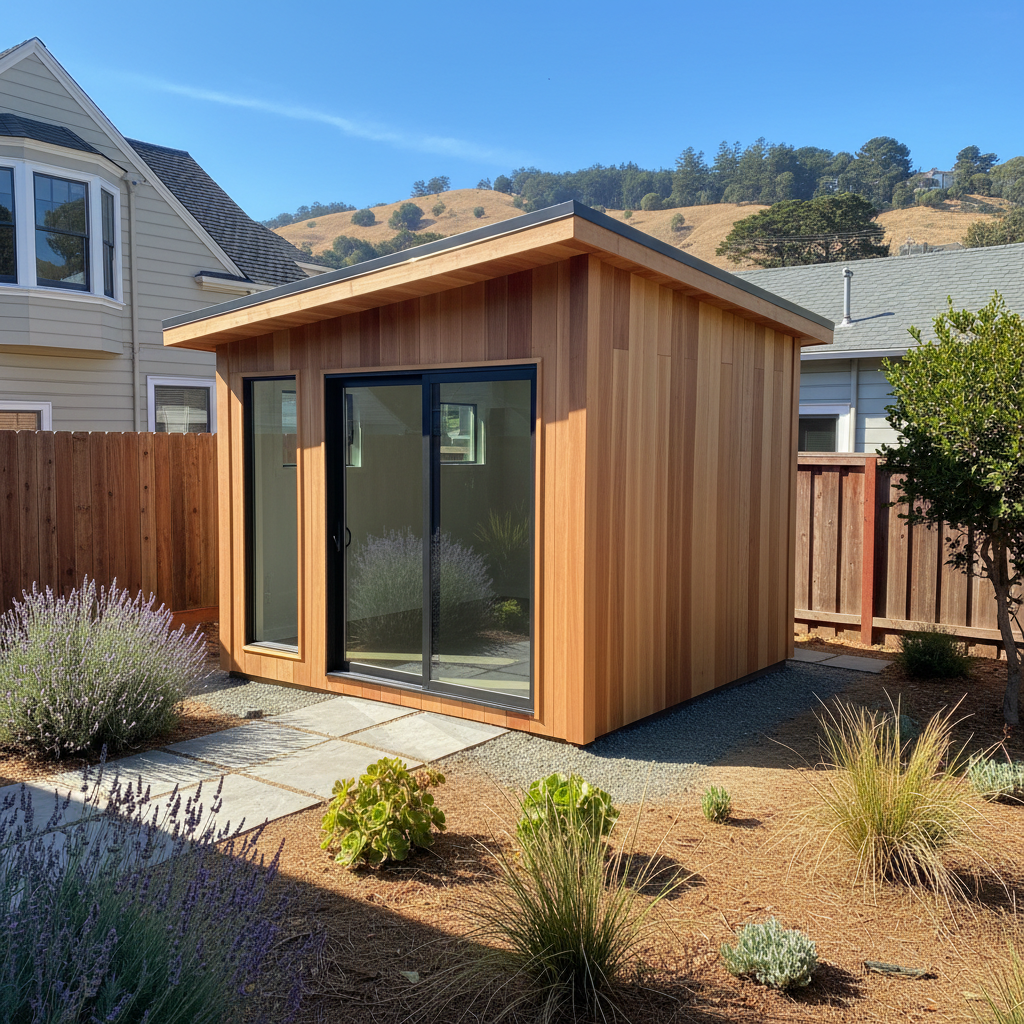
You want a quiet spot to work, right? Away from the kitchen table, the kids, or that one neighbor's dog that just won't quit. An office shed in your backyard sounds like the perfect solution, especially with so many of us working from home these days. But let's be real, you're in San Francisco, and nothing here is cheap. So, what's this going to cost you?
What Makes an Office Shed Cost What It Does?
A lot of things factor into the final price tag, and it's not just the size of the shed. Think of it like buying a car; a basic sedan and a luxury SUV both get you from A to B, but they're worlds apart in price.
- Size and Complexity: This is obvious, but a 6x8 foot shed is going to be cheaper than a 10x12. Also, a simple square design is less costly than something with an L-shape or multiple rooflines.
- Foundation: You can't just plop a shed on the dirt, especially in San Francisco. We've got hills, clay soil, and sometimes even old fill. A concrete slab is common, but if your yard isn't level, or if you're building on a slope, you might need a more complex pier and beam system or even a retaining wall. That adds to the cost.
- Materials: Are we talking basic T1-11 siding and an asphalt shingle roof, or do you want cedar siding, a standing seam metal roof, and high-efficiency windows? The finishes make a huge difference.
- Insulation and Interior Finishes: If it's a true office, you'll want it insulated for sound and temperature. Drywall, paint, flooring (laminate, vinyl plank, or even engineered wood), and trim all add up. A raw shed shell is one thing; a finished office is another.
- Electrical Work: You'll need power for lights, your computer, and maybe a mini-split AC/heater. Running a dedicated electrical line from your main panel, installing outlets, switches, and lighting fixtures requires a licensed electrician, and that's a significant cost.
- Permits and Regulations: San Francisco has some pretty strict rules. Depending on the size and height of your shed, and if it has plumbing or electrical, you'll definitely need permits. The planning department and building department fees, plus the time and effort to get plans approved, are part of the equation. Don't skip this; the fines for unpermitted work are no joke.
- Site Access: Can we easily get materials to your backyard? If we have to haul everything through a narrow side yard or down a flight of stairs, that takes more time and labor.
Typical Cost Ranges for an SF Office Shed
Okay, let's get to some numbers. Again, these are broad ranges, but they'll give you a ballpark idea.
- Basic, Unfinished Shell (8x10 to 10x12 ft): If you just want a weather-tight structure with a simple slab foundation, basic siding, and a roof, you're probably looking at $15,000 - $25,000. This is essentially a blank canvas for you to finish yourself. It'll keep the rain out, but it won't be comfortable for working in all year round without insulation and interior work.
- Finished, Insulated Office Shed (8x10 to 10x12 ft): This is what most people are after. It includes a proper foundation, insulation in walls, floor, and ceiling, drywall, paint, basic flooring (like laminate), a couple of windows, a solid door, and a full electrical hookup with outlets and lighting. For this, you're likely in the $30,000 - $55,000 range. The higher end accounts for better finishes, more complex electrical needs, or trickier site conditions.
- Premium, Larger, or Custom Design Office Shed (10x12+ ft): If you want high-end materials like cedar siding, a metal roof, custom windows, a mini-split HVAC system, built-in cabinetry, or a more expansive footprint, you can easily push past $60,000 and even up to $80,000+. These are essentially small, high-quality additions to your property.
Remember, these numbers include materials, labor, and often permit assistance. They don't usually include things like landscaping around the shed or furnishing the interior.
What Should Be in a Detailed Quote?
When you get a quote from San Francisco Shed Builders (or any contractor), make sure it's itemized. You don't want a single number with no explanation. A good quote should break down:
- Site Prep: Demolition, grading, excavation.
- Foundation: Type (slab, piers), materials, labor.
- Framing: Lumber, hardware, labor.
- Exterior Finishes: Siding, trim, roofing materials, windows, doors, paint/stain.
- Insulation: Type (batt, rigid foam), R-value.
- Interior Finishes: Drywall, paint, flooring, baseboards.
- Electrical: Trenching, conduit, wiring, panel upgrade (if needed), outlets, switches, light fixtures.
- HVAC: Mini-split unit, installation (if included).
- Permit Fees: Actual city fees, and any associated costs for plans or engineering.
- Labor: Often included in the above line items, but sometimes broken out.
- Project Management/Overhead: This covers coordination, insurance, and general business costs.
If a quote is vague, ask questions. Don't be shy. You're spending a lot of money, and you deserve to know exactly what you're getting.
How to Avoid Overpaying
Nobody wants to get ripped off, especially in a city where every dollar counts. Here's what I recommend:
- Get Multiple Quotes: This is a no-brainer. Talk to at least three reputable contractors. It helps you understand the market rate and what different builders include.
- Be Specific About Your Needs: The more detailed you are about what you want (size, finishes, electrical needs), the more accurate the quotes will be.