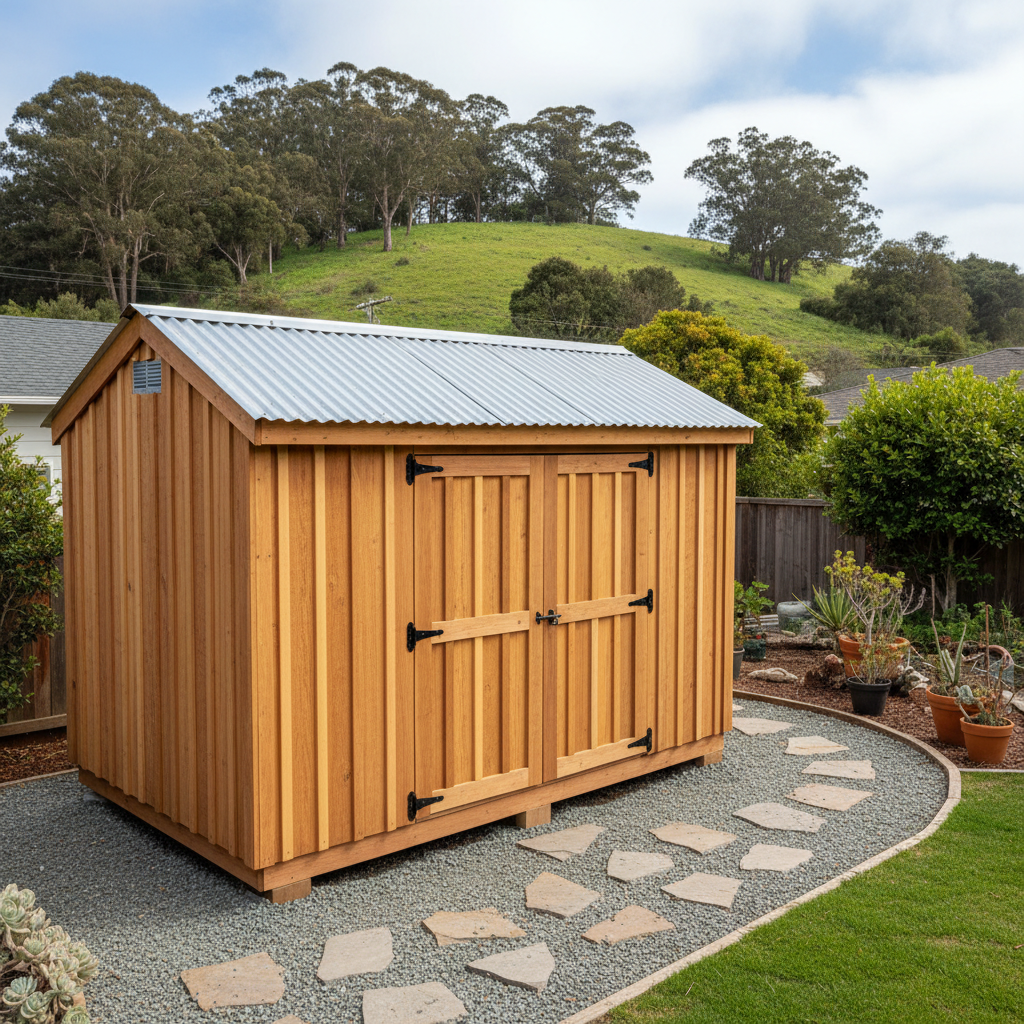
Alright, you've got animals, and they need a good, sturdy shelter. Whether it's for chickens, goats, or whatever else you're raising here in the city, that structure is an investment. You want it to last, right? Especially with our unique San Francisco weather – that constant dampness and fog can really do a number on wood and metal if you're not on top of things.
Extending Your Shelter's Life: It's All About the Build (and the Basics)
First off, if you're just thinking about building, or if you've got an older shelter, remember this: the foundation and the roof are your first lines of defense. Here in SF, we get a lot of moisture. I mean, a LOT. That persistent fog, especially in neighborhoods near the coast like the Sunset or Richmond, means everything stays damp for longer. So, your shelter needs to be off the ground. A good concrete slab or pier foundation, elevated a few inches, is crucial. If your shelter is sitting directly on dirt, it's going to rot out from the bottom up, fast. You can put all the fancy paint on it you want, but if the base is wet, you're fighting a losing battle.
For existing shelters, check your foundation. Is it sinking? Are there cracks? Is wood making direct contact with the soil? If so, you've got work to do. You might need to add gravel, improve drainage, or even lift and replace some baseboards. And the roof? It's gotta be watertight. Metal roofs are great for shedding water, but even they need their fasteners checked. Shingles can lift and crack. A good overhang helps protect the walls too, pushing water further away from the structure.
Regular Maintenance: Your Weekly and Seasonal Checklist
You don't need to be a construction expert to keep an eye on things. Think of it like checking your car's oil – a little regular attention prevents big headaches.
- Weekly Walk-Around: Just take five minutes. Look at the roof from the ground – any missing shingles? Is the metal buckling? Check the gutters if you have them; clear out leaves and debris. Inside, look for any new leaks or damp spots. Sweep out accumulated bedding and droppings; that stuff holds moisture and attracts pests.
- Monthly Structural Check: This is where you get a bit more hands-on. Push on the walls – do they feel solid? Are any posts wobbly? Look at the corners and where walls meet the roof for gaps. Check doors and windows; do they close properly? Are there any drafts? Animals need to be protected from wind and rain, but also need good ventilation.
- Seasonal Deep Dive (Spring & Fall): This is your big maintenance push.
- Spring: After the winter rains, inspect for rot, especially at the base of walls and around doors. Clean and re-seal any wood that looks dry or cracked. Check for pest damage – rodents love to chew through wood. Repair any holes or gaps. Re-apply any protective coatings to wood if needed.
- Fall: Get ready for the wet season. Clean the roof thoroughly. Inspect all flashing around vents or chimneys. Make sure all fasteners are tight. Check that your drainage around the shelter is clear and directing water away. If you have any exposed wood, consider a fresh coat of sealant or paint.
Warning Signs: Don't Ignore These Red Flags
Your shelter will tell you when it's got a problem, you just need to know how to listen.
- Sagging Roof or Walls: This is a big one. If the roofline isn't straight, or if walls are bowing in or out, you've got a structural issue. Don't wait on this.
- Persistent Dampness or Mold: If you're constantly finding mold inside, or if the bedding is always damp even after you've cleaned it, you've got a ventilation or a serious leak problem. Mold isn't just bad for the structure; it's bad for your animals' health.
- Soft or Spongy Wood: Poke around the base of the walls, especially near the ground. If the wood feels soft or crumbles, that's rot. It means water is getting in and staying there.
- Large Cracks or Gaps: Not just little hairline cracks, but big ones where you can see daylight. These let in water, wind, and pests.
- Pest Infestations: If you're seeing a lot of rodents, termites, or other critters, they're probably finding easy access points. They can cause significant damage quickly.
When to Call a Professional: Don't Be a Hero
Look, I'm all for DIY, but sometimes you need to bring in someone who does this for a living. You wouldn't try to fix your own broken leg, right?
- Major Structural Damage: If you've got a sagging roof, a compromised foundation, or walls that are leaning, that's not a weekend warrior job. You need someone who understands framing and structural integrity. Trying to brace it yourself could make it worse or even dangerous.
- Persistent Leaks You Can't Find: You've patched everything you can see, but water's still getting in. A professional can often pinpoint those elusive leaks using their experience and tools.
- Extensive Rot or Pest Damage: If a significant portion of your shelter's frame or siding is rotted out, or if you suspect termites, you need a pro. Replacing large sections of framing requires expertise to ensure the structure remains sound.
- You're Just Not Sure: If you're looking at something and thinking,